


Shreveport Car Accident Lawyer
There are qualified car accident attorneys in Shreveport and across Caddo Parish. You're doing your research, which means something happened. Something serious enough that you're looking for legal counsel instead of going about your day. Nobody reads lawyer websites until they need one.
This page is an educational resource, not a sales pitch. It covers Louisiana car accident law, the claims process, what insurance companies actually do after a crash, and how to evaluate any attorney you consider hiring. Our firm's credentials and approach are at the bottom, along with a contact form.
Shreveport sits where I-20 meets I-49, and that junction drives constant traffic volume through Caddo and Bossier Parishes. Louisiana consistently ranks among the deadliest states in the country for traffic fatalities per capita. Understanding your rights after a collision here starts with understanding how Louisiana law works differently from every neighboring state.
What to Do After a Crash
The first few hours after a car accident in Shreveport matter more than most people realize. What you do at the scene, and in the days that follow, creates the foundation of any insurance claim or lawsuit. These steps aren't complicated, but skipping even one can cost you later.
Many people hesitate to take these steps or assume the situation will resolve on its own. There are real reasons people delay seeking legal advice after an accident, and most of those reasons end up working against them.
Mistakes That Can Hurt Your Claim
Good people make avoidable errors after a crash. These mistakes don't reflect poor judgment. They reflect a lack of information about how insurance claims and Louisiana tort law actually work.
These mistakes apply to all motor vehicle accidents, not only cars. If you were on a bicycle when you were hit, the same principles apply. Our Shreveport bicycle accident page covers the specific issues cyclists face after a collision with a motor vehicle.
Not every accident follows the same pattern, and the type of collision you were involved in shapes how fault is investigated and which evidence matters most. The next section covers the most common accident types we handle across Shreveport and Caddo Parish.
Accidents We Handle
Car accidents in Shreveport don't follow a single pattern. They happen on I-20 during morning commute traffic, at the Youree Drive and East 70th Street intersection, and in parking lots off Airline Drive. The type of collision affects how fault is investigated, what evidence matters, and how an insurer evaluates the claim. Understanding the differences helps you ask better questions when you talk to any attorney.
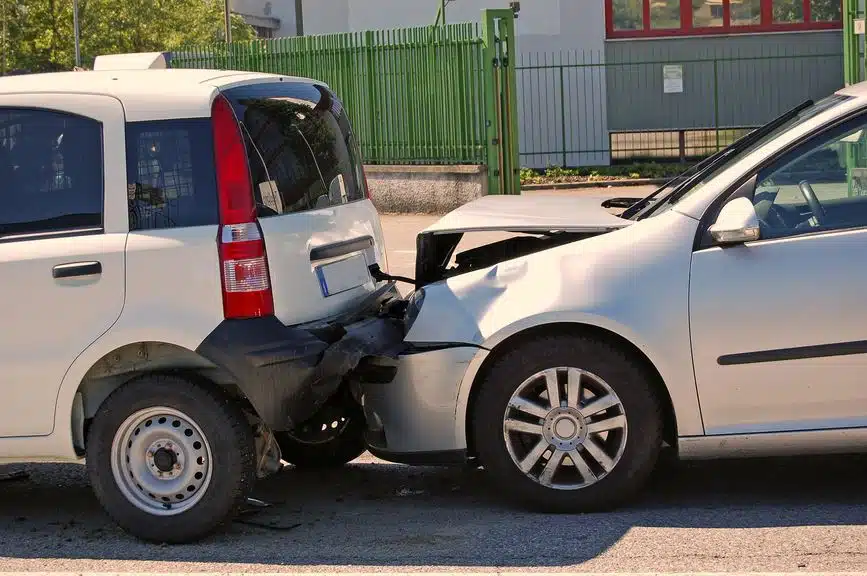 Rear-End Collisions Common on I-49 and Shreveport's corridors. The trailing driver isn't always at fault. Insurers argue you stopped short to inflate your fault percentage.
Rear-end crashes are common on congested stretches of I-49 and along Shreveport's major commercial corridors. Many people assume the trailing driver is always at fault , that's often true, but not always. Louisiana's comparative fault system assigns a percentage to each party. Insurers routinely argue you stopped short without warning or had broken brake lights to inflate your share of fault and reduce the payout.
 Intersection Accidents T-bone and broadside collisions at high-volume Shreveport intersections. Right-of-way disputes require camera records, signal timing data, and witness statements.
Shreveport has several high-volume intersections where T-bone and broadside collisions occur regularly. These crashes often involve disputes over who had the right of way. Red-light cameras, traffic signal timing records, and witness statements become critical evidence. When multiple vehicles are involved, you're dealing with multiple insurance companies and layered fault arguments at once.
 Hit-and-Run Accidents When the other driver flees, your uninsured motorist coverage becomes the primary recovery path. Your own insurer frequently takes an adversarial position.
When the other driver leaves the scene, your own uninsured motorist coverage becomes the primary source of recovery. Louisiana law requires insurers to offer UM coverage, and many drivers carry it without realizing they have it. Your UM insurer steps into the role of the at-fault driver's insurer , which means your own insurance company frequently takes an adversarial position during the claims process. A UM claim is a viable path even without identifying the other driver.
 Single-Vehicle Accidents Road defects and debris cause crashes across Caddo Parish. Claims against government entities trigger a 90-day notice deadline under La. R.S. 13:5107.
Not every car accident involves another driver. Road defects, debris, and poorly maintained shoulders cause single-vehicle crashes across Caddo Parish. These cases sometimes require claims against the government entity responsible for road maintenance , triggering a 90-day deadline to file formal notice before suing (La. R.S. 13:5107) and shorter prescriptive periods than standard injury claims. Confirm the exact deadlines with an attorney immediately.
 Rideshare & Commercial Vehicles Uber, Lyft, and commercial fleet crashes add insurance complexity. Rideshare policies tier by driver status. Commercial policies come with more aggressive defense teams.
Crashes involving Uber, Lyft, or commercial vehicles add insurance complexity. Rideshare companies carry tiered policies that depend on whether the driver was logged into the app, waiting for a ride request, or actively transporting a passenger. Each tier carries different coverage limits. Commercial vehicle policies often carry higher limits but come with more aggressive defense teams and experienced adjusters on the other side.
 Motorcycle Accidents Riders face no structural protection in a collision. Injuries are typically more severe, and insurers routinely apply bias against motorcyclists. Fault arguments are more aggressive.
Motorcyclists have no structural protection in a collision. Injuries are typically more severe , road rash, fractures, TBIs, and spinal damage are common. Insurance adjusters apply bias against riders, often inflating their fault percentage under Louisiana's comparative fault system. Helmet use affects damages arguments. An experienced attorney anticipates these arguments and counters them with crash reconstruction and medical evidence. See our Shreveport motorcycle accident page.
 Bicycle Accidents Cyclists have no protection from a vehicle impact. Youree Drive, Line Avenue, and I-49 service roads are common collision points. Fault disputes often center on lane position and signal compliance.
Cyclists struck by vehicles have no structural protection. Injuries frequently include TBIs, spinal cord damage, and multiple fractures. Shreveport's high-volume corridors , Youree Drive, Line Avenue, Bert Kouns Industrial Loop , create elevated risk. Fault disputes typically center on lane position, signal compliance, and whether the driver checked mirrors before turning. See our Shreveport bicycle accident page.
 Pedestrian Accidents Pedestrians struck by vehicles sustain some of the most severe injuries in personal injury law. Crosswalk compliance, vehicle speed, and sight lines are central to fault disputes.
Pedestrians struck by vehicles face catastrophic injury risk , TBIs, spinal cord damage, multiple fractures, and internal injuries are common. Fault disputes center on crosswalk use, jaywalking allegations, vehicle speed, and driver visibility. Even partial fault assigned to the pedestrian reduces recovery under Louisiana's comparative fault system. Starting January 1, 2026, reaching 51% fault bars recovery entirely. See our Shreveport pedestrian accident page.
 Bus Accidents Crashes involving public transit or charter buses often implicate government entities and their distinct notice requirements. Multiple passengers mean multiple claims against the same policy.
Bus accidents involving public transit trigger claims against government entities , with a 90-day formal notice requirement under La. R.S. 13:5107 before you can sue. Charter and private bus crashes involve commercial carrier liability, FMCSA regulations, and tiered insurance policies. Multiple injured passengers mean multiple claims competing against the same policy limits. See our Shreveport bus accident page.
The type of accident shapes the legal strategy, but the injuries you sustain shape the value of your claim. The following section covers the most common injuries we see in Shreveport car accident cases and how each affects your recovery.
Common Car Accident Injuries
Car accident injuries range from soft tissue strains that heal in weeks to permanent injuries that affect your ability to work, move, and function independently. The type and severity of your injury is the single largest factor in what your case is worth. That's not a legal opinion. It's an economic reality that drives how insurers evaluate claims and how juries award damages.
Some injuries are obvious at the scene. A broken femur or a deep laceration gets immediate attention from paramedics. Other injuries don't announce themselves right away. Symptoms from brain injuries, internal bleeding, and herniated discs can take days or even weeks to appear.
That gap between the accident and the onset of symptoms creates a real problem for your claim. If you don't connect those symptoms to the crash through medical documentation, an insurer will argue the injury came from something else. This is why many people who don't seek legal advice after an accident end up losing recoverable compensation.
Accidents involving fuel ignition, electrical fires, or chemical exposure can produce burn injuries that require skin grafts, extended hospital stays, and long-term rehabilitation. Burns carry a distinct damages profile that includes permanent scarring and disfigurement. These cases often overlap with catastrophic injury claims because of the severity and duration of treatment.
Louisiana's prescriptive period for most car accident claims is now two years from the date of the accident under La. C.C. Art. 3493.11 (effective July 1, 2024). A prescriptive period is Louisiana's version of a filing deadline. It's the window of time you have to bring a lawsuit before the court permanently bars your claim. Two years sounds like plenty of time. But building a case around a serious injury requires medical records, expert evaluations, and evidence preservation , all of which should start immediately.
Louisiana also applies comparative fault under La. C.C. Art. 2323. Comparative fault is a system where the court or jury assigns each party a percentage of responsibility. Before January 1, 2026, Louisiana follows pure comparative fault , your recovery is reduced by your percentage of fault, but you can still recover regardless of how high that percentage is. Starting January 1, 2026, if you're assigned 51% or more of the fault, you recover nothing. How your injuries are documented can directly influence how fault is allocated, because an insurer who can't dispute the injury will often try to shift blame to you instead.
Understanding the difference between a serious injury and a standard personal injury claim matters when you're evaluating attorneys. The legal strategy, the medical experts needed, and the future medical care projections all shift depending on where your injury falls on this spectrum.
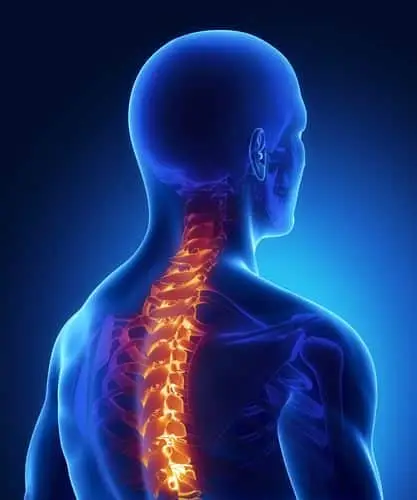 Whiplash & Neck Injuries Symptoms often don't appear for 24, 72 hours. Standard X-rays don't show soft tissue damage, giving adjusters room to minimize. An MRI and consistent follow-up visits build the paper trail your case requires.
Whiplash happens when your head snaps forward and backward rapidly on impact, stretching and tearing soft tissues in your neck. Symptoms often don't appear for 24, 72 hours. You can walk away feeling fine and wake up unable to turn your head. That delay is normal, but insurance adjusters exploit it. Standard X-rays don't show soft tissue damage, giving them room to argue the injury is minor or exaggerated. An MRI, detailed clinical exam, and consistent follow-up visits create the paper trail your claim needs.
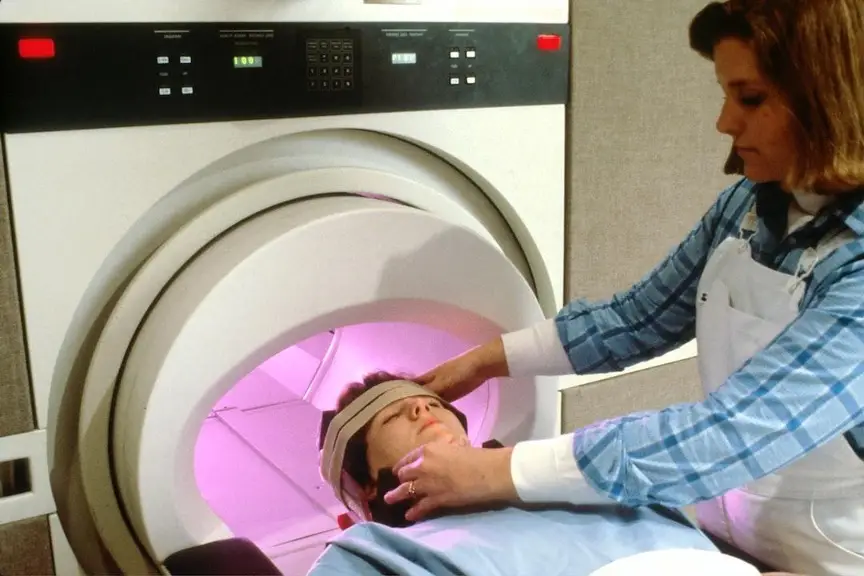 Traumatic Brain Injuries TBIs range from concussion to permanent cognitive impairment. Delayed symptoms are common. Neuropsychological testing produces measurable data insurers can't dismiss as subjective.
A traumatic brain injury can result from your head hitting the steering wheel or from the force of collision moving your brain inside your skull , no direct impact required. TBIs range from concussion to permanent cognitive impairment. Delayed symptoms , confusion, memory problems, light sensitivity , are common and frequently missed in ER triage. Neuropsychological testing produces standardized, measurable data that documents the full scope of the injury and translates it into economic damages.
- Spinal Cord Injuries Complete or incomplete injury determines paralysis type. Lifetime care costs are among the highest in personal injury law. Requires specific expertise in calculating future medical costs and lost earning capacity.
Spinal cord injuries result from compression, severing, or swelling after collision. Complete injuries produce no function below the damage point. Incomplete injuries allow partial movement or sensation. Lifetime care , home modifications, wheelchair-accessible vehicles, attendant care, physical therapy , and lost earning capacity make these cases among the highest-value in personal injury law. They require expert witnesses who can calculate future medical costs with credibility a jury will accept.
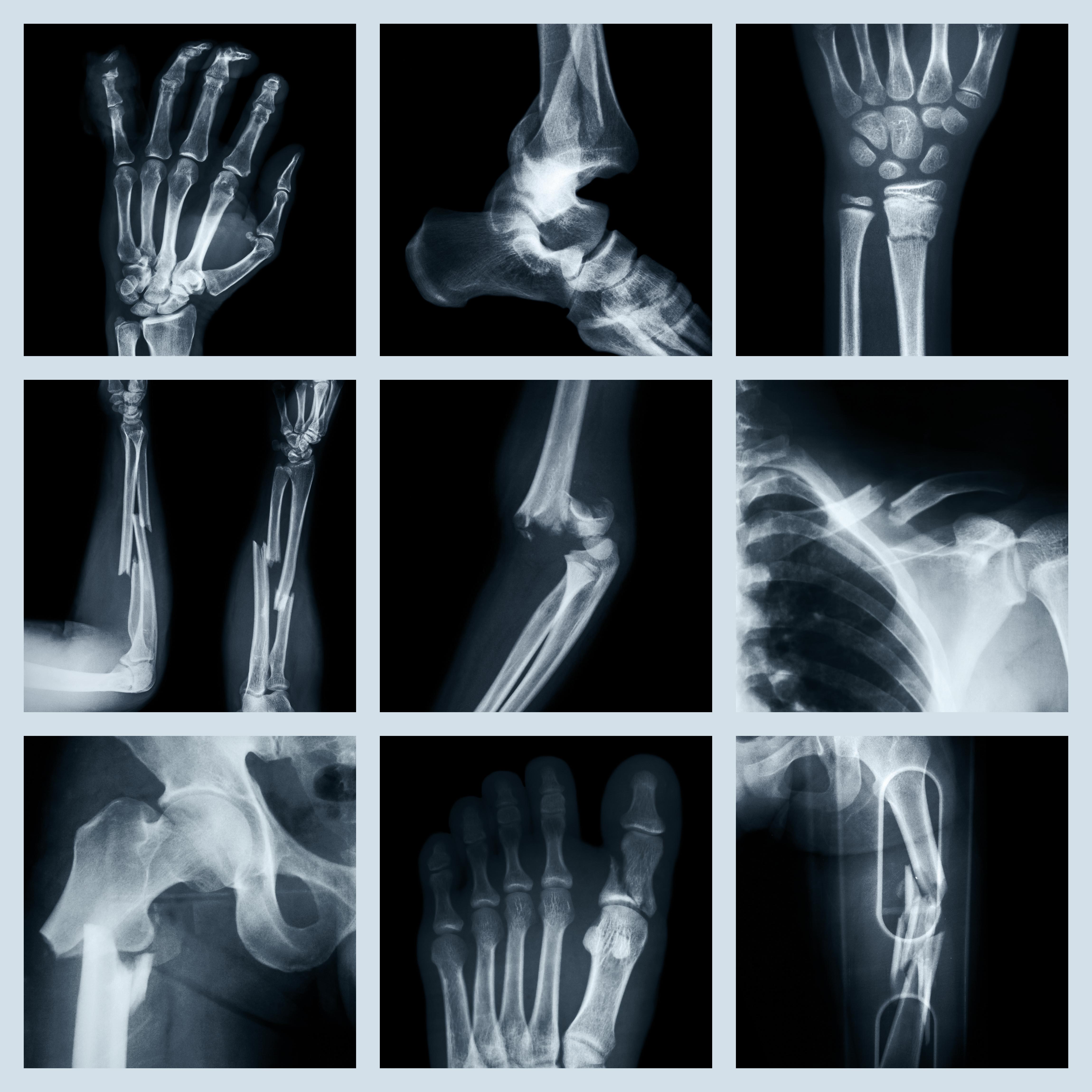 Broken Bones & Fractures Surgical fractures require plates, screws, or rods and months of recovery. Nonunion means additional surgery. Economic impact varies sharply by occupation , a broken femur sidelines a laborer for months.
Car accidents commonly fracture ribs, wrists, the femur, the pelvis, and facial bones. Surgical fractures require implantation of plates, screws, or rods and recovery measured in months, not weeks. Complications like nonunion , when bone fails to heal , mean additional surgery and substantially higher medical costs. Economic impact depends on occupation: a desk worker with a broken wrist is out weeks; a manual laborer with a broken femur is out months.
 Internal Injuries No external symptoms at the scene. Adrenaline masks pain while bleeding develops beneath the surface. A ruptured spleen or lacerated liver is life-threatening within hours.
Internal injuries , organ damage or internal bleeding , produce no external symptoms at the scene. Adrenaline masks pain while swelling and bleeding develop gradually beneath the surface. A ruptured spleen or lacerated liver is life-threatening within hours. By the time symptoms become obvious, the situation can be critical. This is the strongest argument for a full medical evaluation after any crash, even if you feel relatively normal. Gaps in treatment become ammunition for insurers arguing your injuries aren't connected to the crash.
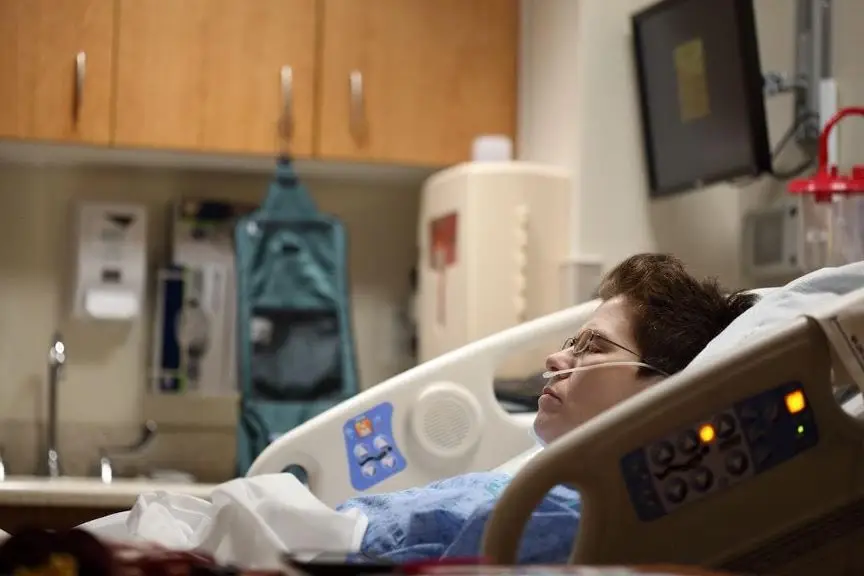 Soft Tissue & Herniated Discs No fracture on the X-ray doesn't mean minor injury. Herniated discs press on nerves causing radiating pain that can require surgery. Louisiana law entitles you to compensation for aggravation of a prior condition.
Soft tissue injuries include ligament tears, muscle strains, and tendon damage without broken bones. A herniated disc occurs when the outer spinal disc layer tears and inner material presses on nearby nerves , causing pain, numbness, and weakness that radiates into arms or legs. Insurers predictably argue that no fracture means a minor injury. Louisiana law doesn't bar recovery for aggravation of a pre-existing condition, but you need medical records that clearly document the before-and-after state.
Documenting your injuries thoroughly is only part of the challenge. You also have to prove that the other party caused them. The next section explains how fault is established and what a thorough investigation actually requires.
Proving Fault After a Crash
Winning a car accident claim in Louisiana requires more than telling your side of the story. You need evidence that proves another party was negligent. Negligence is a legal concept with four required elements, and your case fails if any one of them is missing. Understanding how fault works helps you evaluate any attorney you're considering.
The four elements of negligence are duty of care, breach, causation, and damages. Duty of care means the other driver had a legal obligation to operate their vehicle safely. Every person behind the wheel in Shreveport owes this duty to everyone else on the road. Breach means that driver violated the duty. Running a red light is a breach. So is texting, speeding, or driving aggressively.
Causation is the third element. It connects the breach to your specific injuries. This element requires proof that the other driver's actions directly caused the harm you suffered. The fourth element is damages, which means actual losses: medical bills, lost income, physical pain. Without real, documented losses, there is no claim to bring.
Louisiana's comparative fault system makes proving fault even more critical. Under La. C.C. Art. 2323, as amended by Act No. 15 of 2025, a plaintiff assigned 51% or more of the fault recovers nothing. This rule takes effect January 1, 2026. Before this change, Louisiana used a pure comparative fault system where you could recover something even at 99% fault. The new 51% bar means the other side's insurance company has a strong incentive to push as much blame onto you as possible. Ask any attorney you're evaluating how they handle comparative fault defense and what their strategy is when insurers inflate your fault percentage.
There's another change that matters here. In May 2025, Act No. 459 eliminated the Housley presumption for civil tort cases. The Housley presumption was a legal shortcut. If you were healthy before a crash and had symptoms afterward, Louisiana courts presumed the crash caused your injuries. That presumption no longer applies. You now need expert medical testimony to establish the connection between the accident and your injuries. This makes causation harder to prove and expert witnesses more important than they were even a year ago. If you had prior injuries, insurance adjusters will argue your current symptoms are pre-existing. Your attorney needs a plan for that.
What a Strong Fault Investigation Looks Like
A thorough attorney will obtain police reports, witness statements, and any available physical evidence from the scene. Your attorney should secure traffic camera footage and dashcam recordings before they are overwritten or destroyed. Locating independent witnesses early is critical, their accounts often carry significant weight with insurers and juries. A complete investigation also includes reconstructing the sequence of events and identifying all potentially liable parties. When evidence is at risk, spoliation letters preserve it.
Evidence has a shelf life. Surveillance systems at Shreveport businesses overwrite footage on cycles as short as 48 hours. Vehicles get repaired or sent to salvage yards. Witness memories become unreliable within weeks. A thorough investigation launched within days of a crash protects the evidence that protects the claim. Waiting months to get legal advice risks losing evidence that can't be recreated.
Our attorneys take specific steps to build a case. Police reports and EMS records document the officer's initial observations, road conditions, and any citations issued. Both are standard starting points for any crash investigation. We secure traffic camera footage from Shreveport's signal intersections and surveillance footage from nearby businesses before those systems overwrite. We locate and interview eyewitnesses while their memories are still fresh.
When liability is disputed, your attorney should hire accident reconstruction experts. These specialists use physical evidence, vehicle damage patterns, and skid marks to recreate how the collision happened. Biomechanical engineers can then link the crash forces to specific injuries you sustained.l under the new causation requirements after the Housley elimination.
Modern vehicles contain an Event Data Recorder, sometimes called a black box. This device records speed, braking, steering input, and seatbelt status in the seconds before a crash. That data is objective and difficult for the other side to dispute. Your attorney should also subpoena cell phone records when distraction is suspected. A timestamped text message sent seconds before impact is strong evidence of breach. Your attorney should review the at-fault driver's driving history as well. Prior tickets, suspended licenses, and previous accidents establish a pattern. Each piece of evidence counters a specific insurer defense. Ask your potential attorney what evidence they collect, how quickly they start, and whether they work with reconstruction experts. The prescriptive period for most car accident claims in Louisiana is now two years under La. C.C. Art. 3493.11, as amended by Act No. 423 of 2024. But the deadline to preserve evidence is far shorter than the deadline to file suit.
Identifying All Liable Parties
The other driver isn't always the only party responsible for your injuries. Liability is a legal term meaning legal responsibility for causing harm. Louisiana law allows claims against every party whose negligence contributed to the crash. Identifying all liable parties matters because it affects both the total insurance coverage available and how fault percentages are allocated under comparative fault.
If the at-fault driver was working at the time of the crash, their employer can be held liable under a legal doctrine called respondeat superior (La. C.C. Art. 2320). This Latin term means "let the master answer." It holds employers responsible for employee actions taken within the scope of employment. Delivery drivers, sales representatives, and commercial vehicle operators fall into this category. Employer liability often opens access to larger commercial insurance policies. You can learn more about commercial vehicle claims on our causes of truck accidents page.
Vehicle manufacturers and parts suppliers are potential defendants when a mechanical failure caused or worsened the crash. Defective brakes, tires, or airbags that fail during a collision create product liability claims separate from the negligence claim against the driver. Note that Louisiana's prescriptive period for products liability remains one year, not two.
Government entities responsible for road design and maintenance can bear fault as well. Poorly maintained roads, missing signage, and dangerous intersection designs are all grounds for claims against state or local agencies. Our poor road conditions page explains these claims in detail. Claims against Louisiana state entities require a 90-day notice under La. R.S. 13:5106, so identifying this defendant early matters.
Louisiana recognizes limited dram shop liability. If a bar or restaurant served alcohol to a visibly intoxicated person who then caused a crash, that establishment faces liability for its share of fault.
Rideshare companies present another layer. They carry tiered insurance policies that vary based on whether the driver had the app on, was en route to a pickup, or had a passenger. Each scenario triggers different coverage limits.sumption of risk](https://morrisdewett.com/assumption-of-risk-in-personal-injury-cases/) can also arise when a passenger knowingly rode with an impaired driver. Ask your attorney whether they investigate all potential defendants or only pursue the obvious one.
Identifying who is responsible for your injuries is only part of the picture. Louisiana's specific laws , many of which have changed significantly in the past two years , determine how those liability findings translate into a recovery. The next section walks through the statutes and recent reforms that shape every car accident claim in this state.
Louisiana Laws That Affect Your Claim
Louisiana is the only state in the country whose legal system is built on French and Spanish civil law traditions rather than English common law. This isn't a historical footnote. It means the rules governing your car accident claim look different from what you'd find in Texas, Arkansas, or Mississippi. Terms are different, deadlines are different, and strategies that work across the border can fail here.
If a dangerous road condition contributed to your wreck, the government entity responsible for maintaining that road shares liability under Louisiana law if the defect caused the accident. Louisiana has specific rules and shorter deadlines for those claims under the Louisiana Governmental Claims Act, La. R.S. 13:5101. Missing a government notice deadline can eliminate that portion of your claim entirely, even if the road defect clearly caused your accident.
If your case goes to court in Caddo Parish, it will be filed in the First Judicial District Court at 501 Texas Street in Shreveport. That court has 15 judges, including three civil division judges. Any Shreveport injury attorney you're considering should know those judges, their tendencies, and the local rules. Ask them directly how many cases they've handled in the First Judicial District Court. Understanding how Louisiana's rules interact with each other affects what your claim is worth. You can review the factors that shape average personal injury settlements in Louisiana to see how state-specific law drives outcomes.
Comparative Fault
Comparative fault is the legal framework courts use to divide responsibility among everyone involved in an accident. Instead of one party being entirely at fault, each person is assigned a fault percentage. Your compensation is then reduced by whatever percentage of fault is assigned to you.
Here's a concrete example. If your total damages are $200,000 and you're assigned 25% fault, you recover $150,000 , at 40% fault, that drops to $120,000. The math is straightforward, but the fault percentages are where cases are won or lost.
Under the current version of La. C.C. Art. 2323, Louisiana follows a pure comparative fault system. That means you can recover damages even if you're assigned 99% of the fault. You'd only collect 1% of your damages, but your claim survives.
That rule is about to change significantly. Act No. 15 of 2025 amends Art. 2323 to impose a 51% bar, effective January 1, 2026. For any accident occurring on or after that date, a plaintiff assigned 51% or more of the fault recovers nothing. Zero. This aligns Louisiana with states like Texas that already use a modified comparative fault system.
Insurance adjusters already work to inflate your fault percentage in every claim. They'll point to your speed, your lane position, whether you were on your phone, or whether you had prior injuries that might have affected your driving. Every percentage point they add to your share reduces their payout. With the 51% bar approaching, that tactic becomes far more powerful. An insurer that can push your fault to 51% eliminates the entire claim rather than reducing it.
When you're evaluating attorneys, ask how they handle comparative fault defenses. Ask specifically how they've countered insurer arguments designed to inflate the claimant's fault. Assumption of risk is one defense insurers raise to shift blame. Ask your attorney how they counter assumption-of-risk arguments specifically. Many people avoid consulting a lawyer because they believe they were partially at fault. That's one of the most common reasons people don't seek legal advice after an accident, and it costs them money they're legally entitled to recover.
The Filing Deadline
Louisiana doesn't use the term "statute of limitations." It calls the filing deadline a prescriptive period. Prescription is a concept from Louisiana's civil code that extinguishes your legal right to bring a claim after a set period of time. Once it runs, your claim is gone regardless of how strong the evidence is.
For car accident claims, the prescriptive period is two years from the date of the accident under La. C.C. Art. 3493.11, as established by Act No. 423 of 2024 (effective July 1, 2024). Before this change, Louisiana imposed a one-year deadline under La. C.C. Art. 3492, which was among the shortest in the entire country. Two years is an improvement, but it's still shorter than the three-year or longer deadlines found in many other states.
Limited exceptions can suspend or extend prescription. If the injured person is a minor, prescription does not begin to run until they reach the age of majority. The discovery rule applies when an injury is latent, meaning it was not immediately apparent after the accident.
Louisiana also recognizes a doctrine called contra non valentem. This doctrine suspends prescription when the injured party had no reasonable way of knowing about the injury or the identity of the responsible party. These exceptions are narrow and depend entirely on the specific facts.
If you miss the deadline, your claim is permanently barred. Courts enforce prescription rigidly, and there is virtually no recourse once it runs. You can review the full breakdown of Louisiana's prescriptive periods for personal injury claims to understand how deadlines apply to different case types, including bicycle accidents and other injury claims. Two years sounds like enough time, but it isn't always. Evidence degrades, witnesses forget details, and medical records become harder to compile. One of the most common reasons people delay seeking legal advice is that they don't realize how much work goes into building a claim before the deadline arrives.
No Pay, No Play
Louisiana's No Pay, No Play law penalizes drivers who don't carry the required minimum liability insurance. If you were uninsured at the time of your accident, you cannot recover the first $25,000 in bodily injury damages and the first $25,000 in property damage. Act No. 435 of 2024 increased these forfeiture thresholds from the previous $15,000/$25,000 amounts.
This is a steep penalty. It doesn't prevent you from filing a claim, but it carves a significant chunk off the top of any recovery. If your bodily injury damages total $30,000, you'd only recover $5,000 after the forfeiture applies.
You still have a viable claim for any damages that exceed those thresholds. If your injuries are serious and your total damages are substantial, the forfeiture may represent a smaller fraction of the overall amount. But you need to understand this exposure before you evaluate any settlement offer. An attorney handling uninsured motorist claims in Shreveport can explain how this law affects your specific numbers. Other circumstances in your case may open additional legal avenues. If the other driver was a drunk driver or a fatigued commercial vehicle operator, those facts change the analysis.
Changes to Direct Action
Louisiana has historically allowed injured people to sue the at-fault driver's insurance company directly, without suing the driver as an intermediary. This is called the direct action statute. Most states don't allow it. In most jurisdictions, you sue the person who caused the accident, and the insurer stays behind the scenes until a judgment is entered.
Louisiana's direct action rule gave plaintiffs a distinct strategic advantage. Juries saw the insurance company's name on the case. They knew a large corporation, not an individual, was responsible for paying any judgment. That knowledge affected how juries evaluated damages.
Act No. 460 of 2025 eliminates this advantage, effective January 1, 2026. Under the new law, the insurer cannot be named as a defendant until after trial. The at-fault driver is the only named defendant throughout the proceeding. The jury never sees the insurance company's name during deliberations.
This shift matters more than it might seem. Jury research consistently shows higher damage awards when jurors know an insurer is paying , and lower awards when they believe an individual is personally on the hook. The new rule eliminates that dynamic entirely. It also reduces settlement pressure , insurers are less motivated to settle when their name stays out of the courtroom. Ask any attorney you're considering how they've adjusted their case strategy in response to Louisiana's recent tort reform changes. The direct action change is one of several reforms that shift the balance between plaintiffs and insurers, and your attorney's approach should account for all of them.
These legal rules determine what your claim can be worth in theory. The next section breaks down the specific categories of compensation Louisiana law allows and what actually drives the numbers in practice.
What Compensation Does Louisiana Law Allow After a Car Accident?
Louisiana divides car accident damages into two broad categories: economic and non-economic. Economic damages cover financial losses you can calculate with receipts, pay stubs, and bills. Non-economic damages cover losses that don't come with a price tag, like pain and the ways an injury changes your daily life.
What your case is actually worth depends on several factors specific to your situation. Injury severity, fault allocation under Louisiana's comparative fault rules, the at-fault driver's insurance coverage, and the quality of your evidence all play a role. No two cases produce the same number, and any attorney who quotes a figure before reviewing your medical records and the facts should raise a red flag. You can read more about how settlements take shape in our guide to average personal injury settlements in Louisiana.
Whether your recovery is taxable depends on the type of damages you receive, our page on personal injury lawsuit proceeds and taxes breaks that down in detail. We break that down in detail on our page about whether personal injury lawsuit proceeds are taxable.
What Affects Your Case Value
No formula determines what a case is worth. These factors push the number up or down.
- Injury severity and permanence.A fracture that heals in eight weeks produces a different claim than a spinal cord injury requiring lifelong care. The more severe and permanent the injury, the higher the economic and non-economic damages.
- Consistency of medical treatment.Gaps in treatment create problems. If you stop seeing your doctor for three months and then resume, the insurer will argue you were not really hurt during that gap. Consistent, documented treatment from the accident date forward strengthens your case.
- Comparative fault percentage.Under La. C.C. Art. 2323, for accidents on or after January 1, 2026, reaching 51% fault means you recover nothing. Below that threshold, your recovery is reduced by your fault percentage. Ask any attorney how they push back when insurers inflate the plaintiff's fault allocation.
- Available insurance policy limits.The at-fault driver's policy sets a practical ceiling. Louisiana's minimum liability is $25,000 per person. If your damages exceed that, your own underinsured motorist coverage can fill the gap.
- Pre-existing conditions.Louisiana recognizes the eggshell plaintiff rule: a defendant takes the plaintiff as they find them. A prior bad back worsened by the crash is compensable. You need medical records that clearly distinguish pre-accident from post-accident condition. See prior injuries in personal injury cases.
- Elimination of the Housley presumption.Act No. 459 of 2025 eliminated the Housley presumption for civil tort cases. You can no longer establish medical causation simply by showing you were healthy before and symptomatic after. Independent expert medical testimony is now required.
- Strength and quality of evidence.Police reports, photographs, dashcam footage, witness statements, cell phone records, and medical records all contribute. Cases with strong, contemporaneous evidence settle for more than cases where evidence is thin or contradictory.
- Egregious defendant conduct.A driver who was intoxicated, texting, or fleeing police introduces recklessness that can increase claim value. In rare cases, egregious conduct supports punitive damages under La. C.C. Art. 2315.4.
Louisiana's prescriptive period is two years from the accident date under La. C.C. Art. 3493.11. The collateral source rule also changed under Act No. 432 of 2024. Ask any attorney you interview how the 2024 and 2025 tort reform changes affect your specific case.
Knowing what compensation is available is important. Knowing how insurers will try to limit that compensation is equally important. The next section covers the tactics adjusters use and what you can do to protect yourself.
Insurance Company Tactics
After a car accident in Shreveport, you will hear from an insurance adjuster within hours. They will sound helpful. Their job is to resolve your claim for as little as possible. None of their goals align with yours.
Louisiana's direct action rule changes under Act No. 460 of 2025, effective January 1, 2026. After that date, the insurer cannot be named in the lawsuit until after trial. Juries will not know an insurance company is paying the claim. Ask any attorney how this changes settlement strategy for accidents after that date.
Your prescriptive period is two years under La. C.C. Art. 3493.11 (Act No. 423 of 2024). Miss that deadline and you lose the right to file. Insurers know the deadline and sometimes use delay to run it closer.
Car Accidents in Shreveport
Shreveport sits at the intersection of two major interstate highways, and the metro area generates a steady volume of motor vehicle collisions each year. If you were involved in a crash in Shreveport or the surrounding Bossier City area, understanding local crash patterns and Louisiana's fault rules gives you a better foundation for evaluating your legal options. The roads here create specific risks that affect how accidents happen and how fault gets assigned.
Rear-end collisions are among the most common crash types across the Shreveport metro. Louisiana law presumes the trailing driver is at fault, based on the principle that a following driver should maintain a safe distance and stay alert. That presumption is rebuttable, though. Insurance adjusters routinely argue the lead vehicle stopped suddenly, changed lanes without warning, or had non-functioning brake lights. If you were rear-ended, the other driver's insurer will often attempt to shift partial fault to you.
This matters because of Louisiana's comparative fault rule. Comparative fault is the legal framework courts use to assign a percentage of blame to each party involved in an accident. Under La. C.C. Art. 2323, your compensation is reduced by whatever percentage of fault a jury assigns to you. Starting January 1, 2026, a new threshold applies under Act No. 15 of 2025: if you are assigned 51% or more of the fault, you recover nothing. That is a hard cutoff with no exceptions. When evaluating attorneys, ask specifically how they counter insurer attempts to inflate the plaintiff's fault percentage.
On high-speed stretches of I-20 and I-49, rear-end crashes tend to produce more severe injuries than surface-street collisions. The speed differential at impact is the key factor. A rear-end collision at 70 miles per hour generates forces sufficient to cause traumatic brain injuries, spinal cord damage, and multi-fracture trauma.auma. These same corridors also see big truck accidents involving 18-wheelers and commercial vehicles, which carry separate federal regulatory requirements and different insurance structures.
Louisiana's prescriptive period for personal injury claims is now two years from the date of the accident. Prescriptive period is the Louisiana term for what most states call a statute of limitations. It is the deadline by which you must file a lawsuit or permanently lose your right to bring a claim. This two-year window was established by Act No. 423 of 2024, amending La. C.C. Art. 3493.11, effective July 1, 2024. Two years sounds like a long time , it is not. Crash investigations, medical treatment records, and insurance negotiations all take months, and starting early preserves your options.
The collateral source rule also changed recently and directly affects your damages. Act No. 432 of 2024 took effect January 1, 2025. It makes payments from collateral sources , health insurance, employer benefits , admissible in court to reduce your damages. Before this change, juries never saw those payments. Now they do. This can substantially reduce your recovery. Your attorney should account for it in case strategy from the start.
For a broader look at how our Shreveport injury lawyers handle these cases across practice areas, that page covers the full scope of what we do in the metro area.
High-Risk Roads and Intersections
Certain roads and intersections in the Shreveport-Bossier City metro appear repeatedly in crash reports. If your accident happened at one of these locations, these roads appear repeatedly in crash reports. Each one presents specific hazards that contribute to collisions.
- Interstate 20 through downtown Shreveport. This corridor carries heavy east-west traffic between Dallas and Jackson. Lane merges near the Texas Street and Market Street exits create congestion pinch points. Rear-end collisions and sideswipe crashes cluster in these merge zones, particularly during morning and evening commute hours.
- Interstate 49 between Shreveport and South Bossier. I-49 runs north-south through the metro with speed limits at or above 65 miles per hour. The transition from highway speed to surface-street exits catches drivers off guard. The exit ramp deceleration zone near Bert Kouns is a documented cluster point for high-speed rear-end crashes.
- Youree Drive from South Shreveport to Pierremont. This commercial corridor is lined with shopping centers, restaurants, and medical offices. Short signal cycles and constant cross-lane turning movements produce frequent T-bone and left-turn collisions. Bicycle accidents also occur along this stretch where cyclists share narrow lanes with high-volume traffic.
- Bert Kouns Industrial Loop. This high-speed arterial connects I-49 to I-20 along the southern edge of Shreveport. It functions as a de facto highway, but it has at-grade intersections with traffic signals. Drivers traveling at highway speeds encounter red lights with limited warning, leading to rear-end and intersection collisions.
- Jewella Avenue between Greenwood Road and I-20. This north-south road passes through mixed residential and commercial areas. Lighting is inconsistent and pavement is uneven in several stretches. Pedestrian crossings are poorly marked in several stretches. Crash frequency increases after dark, when visibility drops and traffic volumes remain moderate.
- The I-20 and I-220 interchange. This multi-level interchange in northwest Shreveport requires lane changes across short distances. Drivers unfamiliar with the layout frequently make last-second lane shifts. The geometry of the ramps limits sight lines and leaves little room for correction at highway speed.
If your accident happened on one of these roads, the location itself is relevant to your claimad data , traffic engineering reports, signal timing logs, maintenance records, and prior crash history , can be obtained through public records requests and used as evidence in your case.
Once you understand how local crash patterns and Louisiana law shape your claim, the next step is understanding how the legal process itself unfolds , from the initial investigation through settlement or trial.
How Your Case Moves Forward
A car accident claim in Shreveport doesn't follow one straight line. Every case has phases, and each phase has its own timeline, requirements, and potential problems. Understanding these phases gives you a realistic picture of what to expect and helps you evaluate whether an attorney actually knows the process.
Many people delay talking to an attorney after an accident because they don't understand how the process works. That hesitation can cost you evidence, witnesses, and eventually money. Here's what actually happens once you decide to move forward with a claim.
The Investigation Phase
Your attorney's first job is to build a factual record. This starts with gathering the police report from the Shreveport Police Department or Caddo Parish Sheriff's Office, depending on where the accident happened. That report contains the responding officer's observations, witness names, and sometimes a preliminary fault assessment.
But the police report is a starting point, not the whole story. Your attorney should also collect surveillance footage from nearby businesses, download data from your vehicle's event data recorder, and photograph the scene before road conditions change.
Intersection cameras along major corridors like Youree Drive, Bert Kouns, and Interstate 20 can capture critical footage. That footage gets overwritten quickly. Some businesses delete their recordings within 48 to 72 hours.hours.
Medical records are part of this phase too. Your attorney needs documentation linking your injuries to the collision. Under Louisiana's recent tort reform changes, the Housley presumption has been eliminated for civil tort cases by Act No. 459 of 2025. That presumption let courts assume post-accident treatment was caused by the accident. Now, you need expert medical testimony to establish causation. This makes early, thorough medical documentation more important than it has ever been.
Filing the Insurance Claim
Once your attorney has gathered initial evidence, they submit a demand to the at-fault driver's insurance carrier. This demand package includes your medical records, bills, proof of lost income, and a detailed account of how the accident happened. The insurer assigns an adjuster who reviews everything and responds with either an offer or a denial.
Insurance adjusters in Louisiana are trained to look for ways to reduce what they pay. One common tactic is arguing that you share fault for the accident. This matters because Louisiana uses comparative fault under La. C.C. Art. 2323. Comparative fault means that a jury or adjuster assigns a percentage of fault to each party involved. If you're found 20% at fault, your recovery is reduced by 20%.
For accidents occurring on or after January 1, 2026, Act No. 15 of 2025 changes Art. 2323 to impose a 51% bar. If you are assigned 51% or more of the fault, you recover nothing. This is a significant shift from the previous system, where you could recover something even at 99% fault.
When an adjuster argues your fault percentage, your attorney should have a documented strategy for pushing back , including evidence of how fault was assigned and why the insurer's figure is inflated. This matters most when an adjuster tries to push your share above 50%, which would bar your recovery entirely under Louisiana law.
Negotiation Fails: Filing a Lawsuit
Not every case settles during the insurance phase. If the insurer won't offer a fair amount, your attorney files a petition in Caddo Parish District Court. Filing a lawsuit doesn't mean you're going to trial. It means you're using the court system to force the insurer to take your claim seriously.
Louisiana gives you two years from the date of the accident to file suit. This is called the prescriptive period, which is Louisiana's term for a filing deadline. Miss it, and the court dismisses your case permanently. The two-year period comes from La. C.C. Art. 3493.11, as amended by Act No. 423 of 2024. Two years sounds like a long time. It isn't. Medical treatment, investigation, and insurance negotiations consume months before litigation even begins.
Another change worth knowing: Act No. 460 of 2025 prohibits naming the at-fault driver's insurance company in your lawsuit until after trial. For accidents on or after January 1, 2026, the jury won't know which insurer is involved. This is called the direct action rule change, and it affects trial strategy significantly.
Discovery, Mediation, and Trial Preparation
After filing suit, both sides enter discovery. Discovery is the formal process where each side exchanges evidence, takes depositions, and requests documents. Depositions are recorded, sworn interviews where attorneys question witnesses and parties under oath. In Caddo Parish, this phase typically runs six to twelve months, depending on court scheduling and injury complexity.
Most cases go through mediation before trial. Mediation is a structured negotiation session with a neutral third party who helps both sides find a resolution. A retired judge or experienced attorney usually serves as the mediator. Most cases that reach mediation settle before trial.
If mediation doesn't resolve your case, it goes to trial. A jury in Caddo Parish hears the evidence and decides both fault and damages.
The collateral source rule has also changed under Act No. 432 of 2024, effective January 1, 2025. Collateral source payments are amounts paid by your own health insurance or other coverage for your medical bills. Previously, the jury couldn't hear about those payments. Now, the defense can introduce them to reduce your damages.
Realistic Timelines
A straightforward Shreveport car accident case with clear liability and resolved injuries typically settles in four to eight months.s injuries push that timeline to eighteen months to three years , sometimes longer when spinal or brain injuries require future care projections. Your attorney must wait until your doctors can give a clear prognosis before valuing the claim.
There is no shortcut that produces both speed and a fair result. Any experienced injury attorney in Shreveport will tell you that rushing a case with unresolved medical treatment leaves money on the table. Whether your attorney has tried cases in Caddo Parish affects every stage of your claim , including knowing when it is ready to settle.
The timeline also depends on what type of accident you were in. Cases involving bicycle accidents or pedestrian collisions sometimes involve different insurance coverage issues and more complex injury patterns. Your attorney should explain how your specific facts affect the expected timeline during your first meeting.
Frequently Asked Questions
These are the questions people ask most often after a car accident in Shreveport. The answers reflect Louisiana law, Caddo Parish courts, and the specific insurance dynamics that shape claims in this area. They are general information, not legal advice for your specific situation , every crash and every claim is different.
- How much does it cost to hire a Shreveport car accident lawyer?
-
Car accident attorneys work on contingency. You pay nothing upfront. The attorney fee is a percentage of the recovery, paid only if your case succeeds. If no compensation is recovered, you owe nothing. This means there is no financial risk to you for consulting or hiring a lawyer, regardless of your current financial situation.
- How long do I have to file a car accident claim in Louisiana?
-
Two years from the date of the accident for crashes occurring on or after July 1, 2024, under La. C.C. Art. 3493.11 (Act 423 of 2024). If your crash happened before July 1, 2024, the prior one-year deadline under La. C.C. Art. 3492 applies. Once the deadline passes, the court will dismiss the case regardless of how strong your evidence is. Limited exceptions exist for minors and certain latent-injury situations. See our guide to Louisiana prescriptive periods.
- How much is my car accident case worth?
-
There is no meaningful average. Case value depends on injury severity, the cost of past and future medical treatment, lost wages and diminished earning capacity, your comparative fault percentage, and the insurance coverage available. Any number quoted before reviewing your medical records and the facts of the collision is speculative. See our guide to average personal injury settlements in Louisiana for context on how values are calculated.
- What if I was partially at fault for the accident?
-
Louisiana uses a comparative fault system. Your recovery is reduced by your percentage of responsibility. If you are 30% at fault and your damages total $100,000, you recover $70,000. For crashes occurring on or after January 1, 2026, a critical change applies: if you are assigned 51% or more of the fault, you recover nothing. Below that threshold, partial fault reduces but does not eliminate your recovery. Insurance companies now have a strong financial incentive to push claimants past the 51% line.
- Should I give a recorded statement to the insurance company?
-
No. You are not legally required to give a recorded statement to the other driver's insurance company. Adjusters are trained to ask questions in ways that elicit statements reducing your claim's value. Even saying "I'm doing okay" can be used later to argue your injuries are not serious. Provide only your name, contact information, and the basic facts of the crash. Do not discuss your injuries or treatment. See our page on how insurance companies handle claims.
- What if the other driver was uninsured or fled the scene?
-
Your own uninsured motorist coverage becomes the primary recovery path. Louisiana law requires every auto insurer to offer UM coverage. In hit-and-run cases, Louisiana treats the unidentified driver as an uninsured motorist. You do need to report the hit-and-run to law enforcement to preserve the claim. If you were also uninsured at the time, Louisiana's No Pay No Play law reduces your recovery by the first $100,000 in bodily injury and property damages. See our uninsured motorist claims page.
- How long does a car accident case take to resolve?
-
There is no standard timeline. A claim with clear liability and injuries that resolve quickly might settle in under a year. A case with disputed fault, serious injuries requiring extended treatment, or an uncooperative insurer can take one to two years or more. Cases that go to trial in Caddo Parish add additional time. The most important variable is whether the injured person has reached maximum medical improvement. Settling before treatment is complete risks permanently undervaluing future medical costs , a signed release cannot be reopened.
- Do I need a lawyer for a minor car accident?
-
Even seemingly minor accidents can involve delayed-onset injuries and insurance disputes that erode claim value. Whiplash and soft tissue injuries frequently do not produce symptoms for 24 to 72 hours. Internal injuries can develop without visible signs. A free consultation helps determine whether legal representation adds value to your specific situation. There is no cost to finding out. See our page on delayed-onset injuries.
- What happens if my car accident case goes to trial?
-
Most cases settle before trial, but some require it when insurers refuse fair offers. In Louisiana state court, car accident cases are heard by a jury. The process includes discovery, depositions, expert disclosures, pretrial motions, and jury selection before the trial itself. Trials in Caddo Parish typically last two to five days for standard cases. Thorough trial preparation is often what motivates insurers to settle , carriers know that a prepared plaintiff's attorney in front of a Caddo Parish jury creates real exposure.
- Are car accident settlements taxable in Louisiana?
-
Compensatory damages for physical injuries are generally not taxable under federal or Louisiana law. This covers medical expenses, lost wages attributable to physical injury, and pain and suffering. Exceptions apply to punitive damages, which are taxable, and to interest accrued on a settlement. The tax treatment of specific damage categories in your case depends on how the settlement is structured. See our page on whether personal injury proceeds are taxable.
- What is Louisiana's No Pay No Play law?
-
No Pay No Play (La. R.S. 32:866) bars uninsured drivers from recovering the first $100,000 in bodily injury damages and the first $100,000 in property damage from an at-fault driver, effective August 1, 2025 under Act 435 of 2024. The reduction applies automatically if you lacked liability insurance at the time of the crash. It does not bar your claim entirely , damages exceeding those thresholds may still be pursued. If you maintained at least minimum liability coverage, this law does not affect your recovery.
- Can I still file a claim if I did not call the police after the accident?
-
Yes. A police report is helpful but not legally required to pursue a car accident claim in Louisiana. Medical records, photographs, witness statements, dashcam footage, and other evidence can establish liability without a police report. The absence of a report gives the insurer an argument that the accident was minor or the injuries are exaggerated, so it creates an evidentiary challenge rather than a legal bar. Gathering other documentation as thoroughly as possible compensates for the missing report.
These answers reflect Louisiana, Texas, or US law as of . For case specific advice, consult with an attorney, or relevant professional, who can evaluate your particular circumstances. These answers are not legal advice and do not create a client to attorney relationship.